Pushmatic or Federal Pioneer Panel: Should It Be Replaced?
How to assess an older electrical panel, recognize warning signs and decide whether repair or replacement is appropriate.
Does an older panel always need to be replaced?
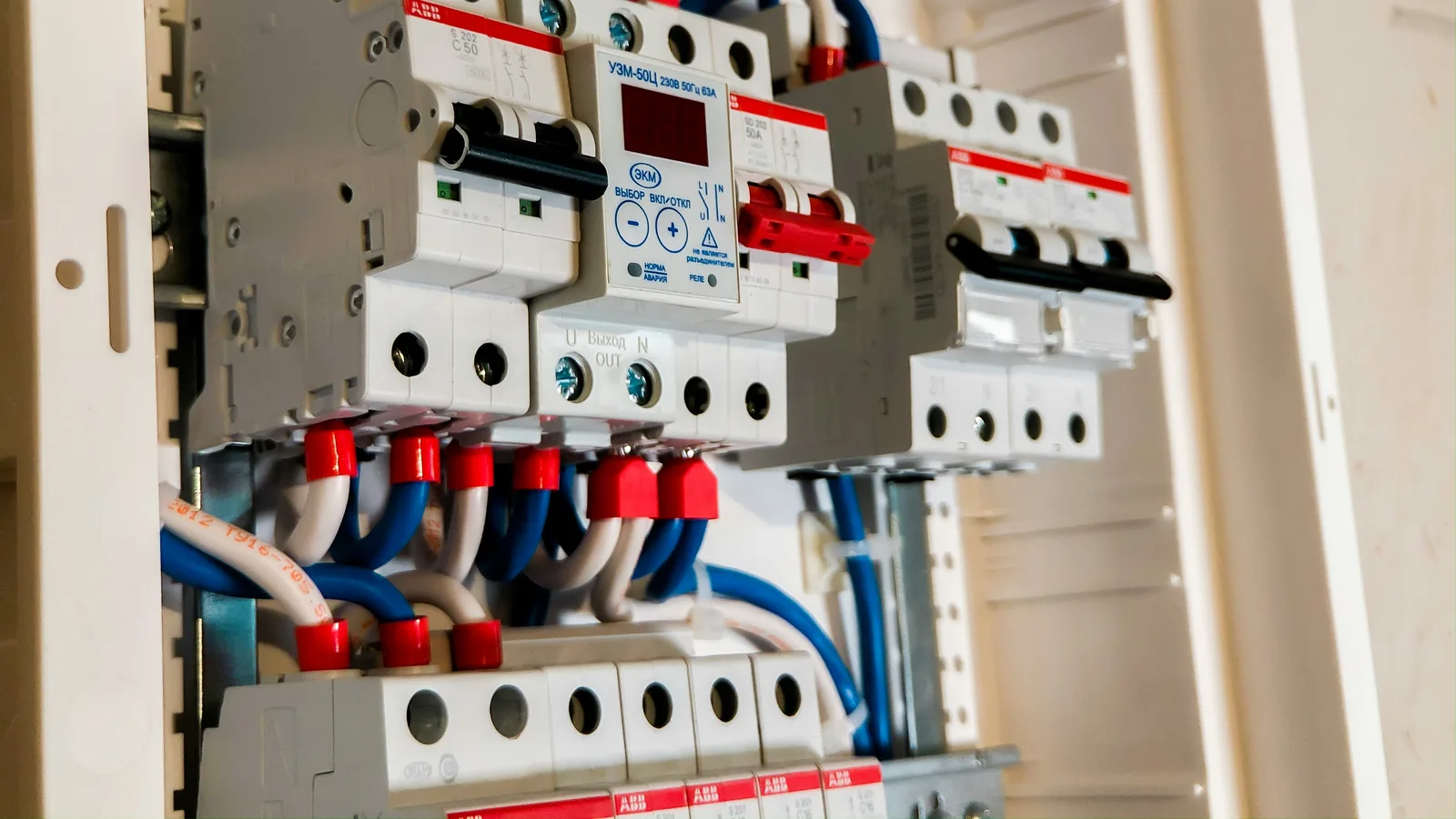
Seeing the name Pushmatic or Federal Pioneer on a panel does not, by itself, prove that an immediate replacement is required. The decision should consider the exact model, physical condition, breaker operation, previous modifications, available parts and the requirements of the insurer.
Older equipment deserves a careful assessment because age, heat cycles and unapproved modifications can create problems that are not visible from the panel cover.
Warning signs to take seriously
Arrange an inspection when you notice:
- a burning smell, buzzing or crackling;
- discoloration, melted insulation or heat marks;
- corrosion or signs that water entered the panel;
- breakers that are loose, damaged or repeatedly trip;
- doubled conductors or crowded, disorganized wiring;
- missing covers or openings that expose energized parts.
Do not remove the panel cover yourself. Parts inside can remain energized even when the main breaker appears to be off.
Why replacement may be recommended
Replacement may make sense when compatible breakers are difficult to source, the enclosure is damaged, the panel has insufficient space, or a renovation requires extensive changes. It can also simplify future maintenance and provide a clearly labelled modern installation.
In Anjou, Lumineau Électrique replaced a Pushmatic panel with a Siemens panel. The work improved circuit organization and gave the homeowner equipment that is easier to maintain. This example does not mean every Pushmatic installation has the same condition; an on-site assessment is still required.
What a professional assessment includes
A master electrician can review the panel, service capacity, grounding and bonding, visible conductor condition and planned future loads. The recommendation should distinguish urgent defects from improvements that can be planned.
If an insurer asks for replacement, request the requirement in writing. This helps ensure the proposed work answers the insurer’s concern and avoids misunderstandings after the project is completed.